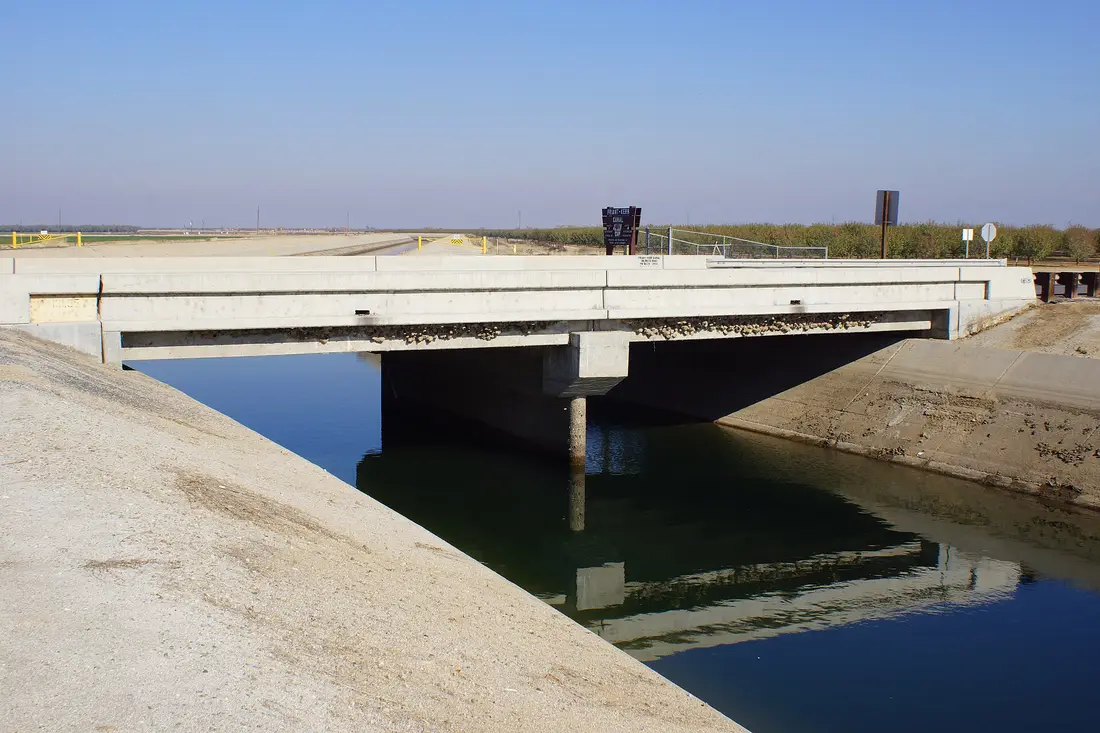
Rodent Control in Paradise Corridor
Rodent Control for Paradise Corridor homes - local conditions, a clear process, and one call to get it started.
Homes here share more than a ZIP: they share soil, water, weather and the pests all three produce.
A mouse in the pantry or rats in the attic in Paradise Corridor is rarely a single animal. Rodent control means removing the animals present, sealing the holes they used, and fixing the food and shelter that invited them - all three, or they come back.
The Paradise Corridor follows Paradise Road through southwest Modesto - an older commercial and residential strip between the river bottom and the Kansas Avenue industrial side, with some of the city's longest-settled blocks outside the core.
This part of the Valley has its own version of the problem. Older homes and small commercial buildings, many with decades-old additions, sheds and mature plantings - and that shapes the pest work directly. Decades of additions mean layered rooflines and hidden voids - prime roof rat and drywood termite territory. For rodent control in Paradise Corridor, sealing the roofline here before fall is worth more than any trap set after it.
Signs Paradise Corridor Homes Need Rodent Control
Scratching or running in the attic
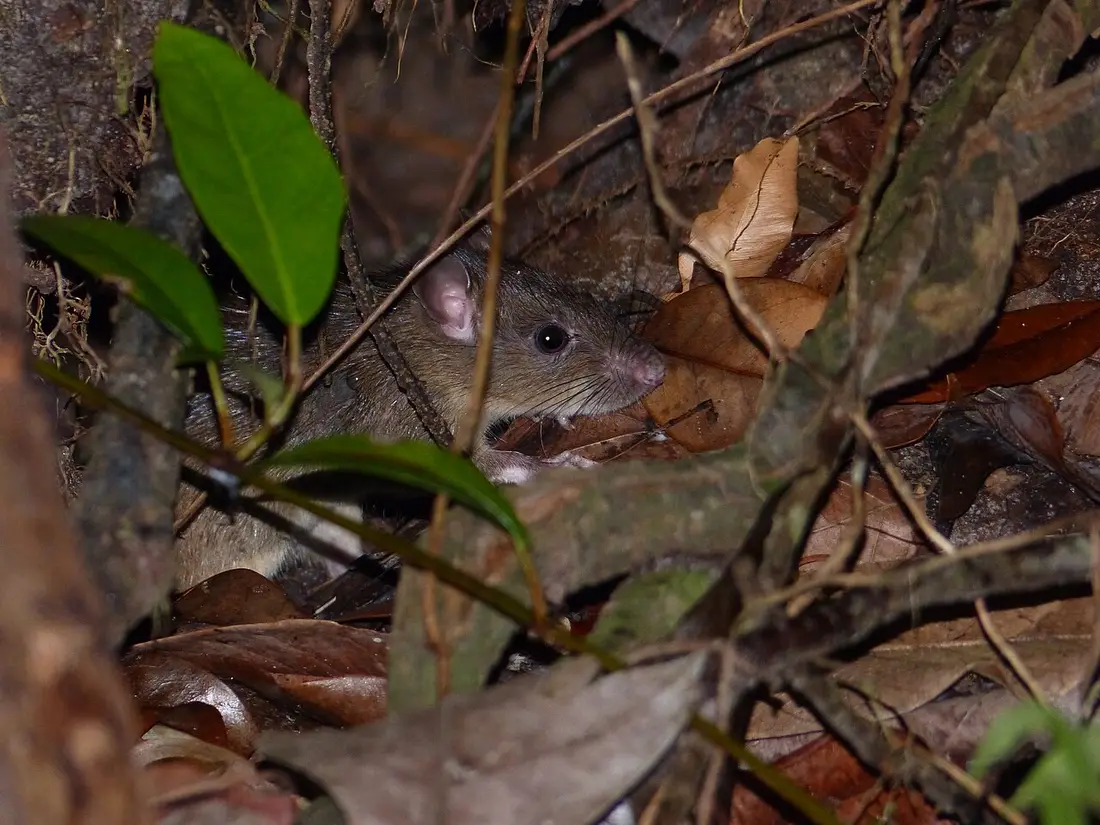
Roof rats are most active at night; sounds overhead after dark are the most common first sign.
Fruit stripped on the tree
Citrus and other fruit hollowed out while still hanging is roof rat work, very common in Modesto yards.
Gnaw marks and chewed wiring
Rodents chew constantly - wires, insulation, stored boxes and even PEX plumbing are all targets.
Why This Problem Runs in Paradise Corridor
House mice live low and close: garages, kitchens, water heater closets and storage, anywhere within a short run of food crumbs and nesting material. They need a gap only the width of a pencil.
Decades of additions mean layered rooflines and hidden voids - prime roof rat and drywood termite territory. Turkestan cockroaches work the commercial frontage, and the river-bottom blocks keep mosquitoes close all summer.
In Paradise Corridor, that plays out street by street - and the sealing list, once finished, is the part of the job still working five years later. Local knowledge, Paradise Corridor edition: the wind, the water table and the harvest calendar all vote on when this work is needed.
Summer is peak pest season in the northern Valley. Mosquitoes breed on a roughly weekly cycle in standing water, ants pour indoors hunting moisture through every heat wave, cockroaches breed at top speed in warm kitchens, and black widows settle into every quiet garage corner. Exterior service in summer is what holds the line.
If pets or kids are in the picture, say so when you book. The plan adjusts - product placement, room order, re-entry timing - and it adjusts best before the truck rolls. The same goes for aquariums, beehives, gardens near harvest and any room that must stay sealed or stay open. Details given early are cheap; details discovered on site cost a second visit.
Around Paradise Road, the season shows up early: shade trees, water features and mature landscaping run a few weeks ahead of the open blocks.
Before you call, a five-minute walk pays for itself: note where you have seen activity, check for drips under sinks, and look at the attic hatch and the vents. That list, given on the call, gets the right equipment on the truck.
How Rodent Control Works in Paradise Corridor
The full step-by-step process for this service - inspection, treatment, sealing and follow-up - is laid out on the main Rodent Control page. In Paradise Corridor the same sequence runs with the local map in hand: the entry points around Paradise Road, the housing pattern described above, and the pest pressure this neighborhood actually carries.
The Paradise Corridor Angle
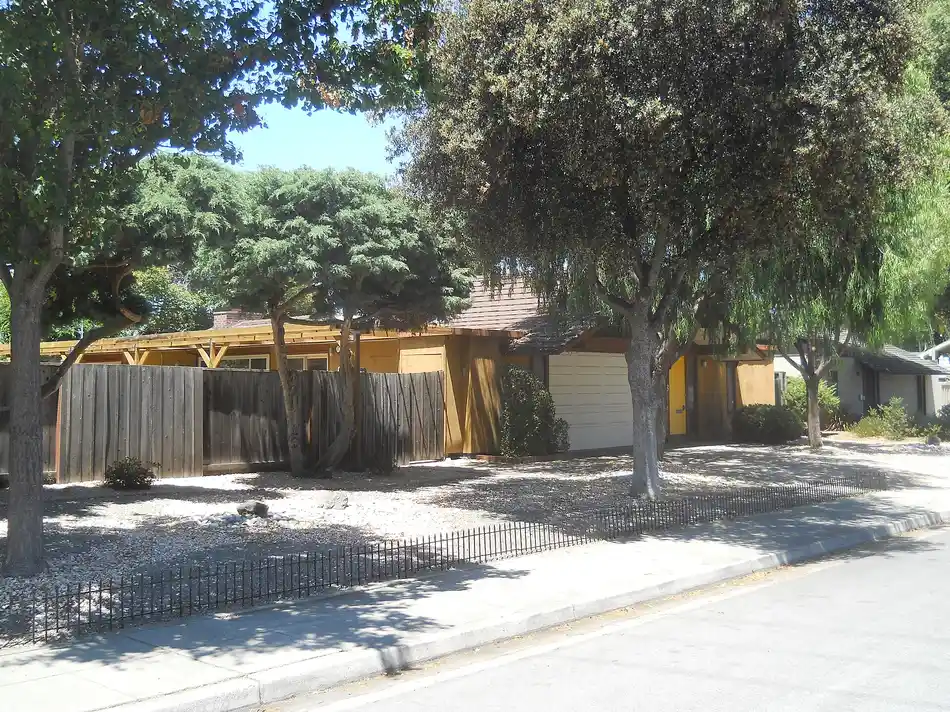
The Paradise Corridor version of this problem is a local story - it runs through the yards, alleys and rooftops within sight of Paradise Road. The housing stock sets the search pattern. Older homes and small commercial buildings, many with decades-old additions, sheds and mature plantings.
And the pest pressure has its own local accent. Decades of additions mean layered rooflines and hidden voids - prime roof rat and drywood termite territory. Turkestan cockroaches work the commercial frontage, and the river-bottom blocks keep mosquitoes close all summer. So the rodent control visit here is built from the block outward: evidence first, entry points second, treatment matched to both.
Paradise Corridor does not sit alone on the map. It trades pest pressure daily with Bret Harte, Shackelford and Tuolumne Riverfront - the same canals, corridors and commutes connect them, and the same seasonal pushes move through all of them within the same few weeks. Which is the last word on method here: treat the neighborhood pattern, not just the house that called.
On the route map, Paradise Corridor sits in the modesto neighborhood group, ZIP 95351 - close enough to Bret Harte, Shackelford that crews work them on the same runs. Crews working a route learn its houses - the repeat gaps, the chronic water, the yards that host the pressure - and rodent control gets better every run.
On paper Paradise Corridor is ZIP 95351; on the ground it is the blocks around Paradise Road, shading into Bret Harte, Shackelford, Tuolumne Riverfront, Kansas Avenue District, with the habits of a modesto neighborhood neighborhood - its own attic profile, its own irrigation rhythm, its own repeat addresses. That is the level this work is planned at.
Prevention That Helps in Paradise Corridor
- Pick up fallen fruit daily in season, and thin dense ivy on fences and walls.
- Declutter garage edges and keep storage off the floor where possible.
- Store pet food and bird seed in sealed metal or heavy plastic bins.
Older homes and small commercial buildings, many with decades-old additions, sheds and mature plantings.
Keep Exploring
Rodent Control nearby:
- Rodent Control in Bret Harte
- Rodent Control in Shackelford
- Rodent Control in Tuolumne Riverfront
- Rodent Control in Kansas Avenue District
More services in Paradise Corridor:
- Emergency Pest Control in Paradise Corridor
- Cockroach Control in Paradise Corridor
- Ant Control in Paradise Corridor
- Bed Bug Treatment in Paradise Corridor
See the full pest control page for Paradise Corridor and the Rodent Control overview for Modesto.
Rodent Control in Paradise Corridor - Questions
Why do rodents show up in Paradise Corridor every fall?
Harvest. When fields and orchards around Modesto are picked and disced in late summer and fall, the rodents living there lose food and cover at once, and homes - especially near the city edge - are the nearest shelter.
Are they roof rats or mice in my Paradise Corridor home?
Overhead night noise, raisin-sized droppings and stripped citrus point to roof rats; tiny droppings in kitchen drawers and garages point to mice. The inspection confirms which - the trapping and sealing plan differs for each.
What should Paradise Corridor homeowners have ready before a Rodent Control visit?
Access and information. Clear the way to the attic hatch, the water heater, the meter boxes and both sides of the foundation, secure pets, and have the pattern written down - when it started, where it concentrates, and what changed. That five minutes of prep is worth a second visit.
Ants in the Kitchen, Scratches in the Attic or Bites in the Night?
One call connects you with a pest control professional serving Modesto and the surrounding Valley communities - inspection, treatment, exclusion and prevention.
📞 Call Now