Modesto Pest Services

Mosquito Control in Modesto, CA

Mosquito control for Modesto yards - the Valley's irrigation, canals and river corridors breed mosquitoes all summer, including the invasive Aedes aegypti.

Modesto homeowners learn the pattern fast: ants when the heat spikes, mosquitoes wherever water stands, roaches breeding at full speed in summer kitchens, and rodents riding the almond harvest into attics every fall. Pest control here is not a one-time event; it is a rhythm matched to the Valley year.

The city itself adds pressure. Modesto is the Stanislaus County seat and its largest city, with neighborhoods that range from 1900s historic districts near the river to subdivisions still being framed at the orchard edge - and every era of housing has its own pest profile, from drywood termites in old eaves to field rodents at the construction frontier.

Signs You Need Mosquito Control

Daytime ankle bites in the yard

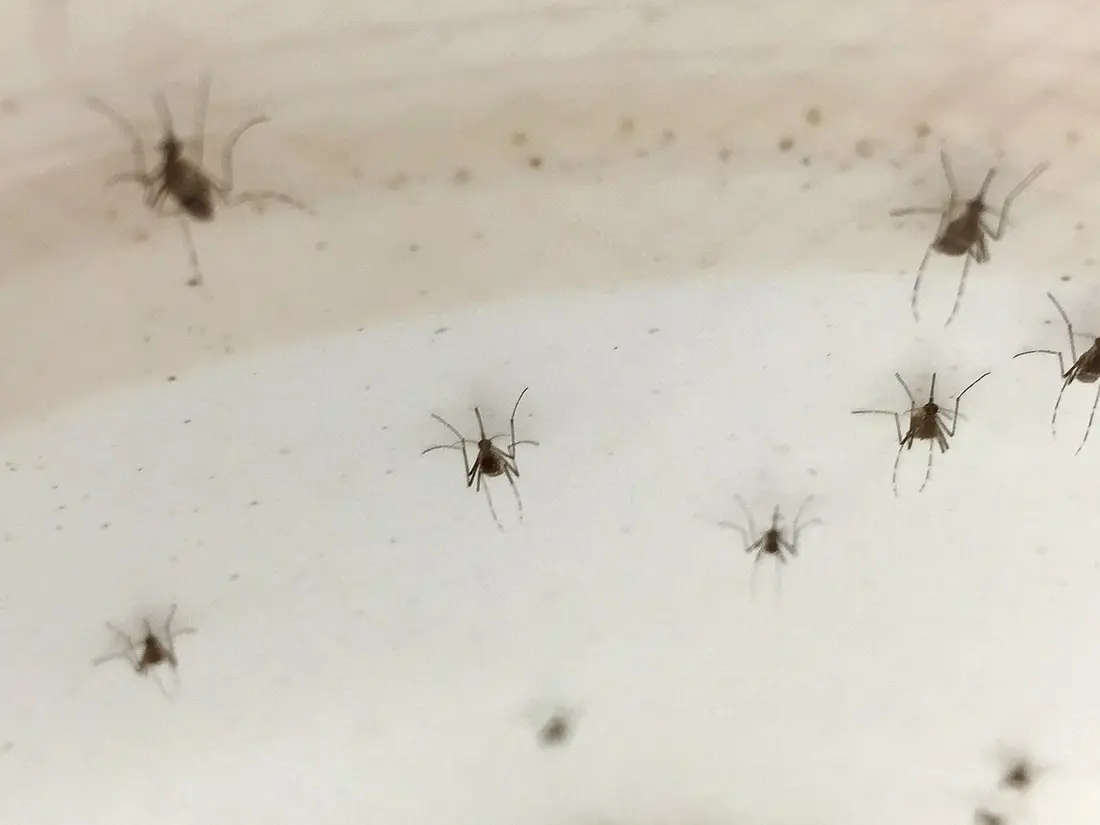
Bites around ankles and legs during the day are the signature of Aedes aegypti, the invasive container-breeding mosquito.

Evening swarms near water

Clouds of mosquitoes at dusk near canals, ponds or pools point to Culex breeding nearby.

Larvae in standing water

Wiggling larvae in plant saucers, buckets, fountains or pool water mean breeding on your own property.

A green or neglected pool nearby

An unmaintained pool can breed thousands of mosquitoes that range across the whole block.

Bites despite repellent and screens

Persistent biting usually means a breeding site within a short flight - often in the yard itself.

Mosquitoes resting in shaded shrubs

Adults resting in dense, shaded landscaping during the day are waiting for evening - and for you.

Why Mosquito Control Is a Standing Job in Modesto

Aedes aegypti needs almost no water: a plant saucer, a clogged drain, a tarp fold, a child's toy. Females lay eggs in containers around homes, and the eggs survive dry spells to hatch at the next watering - which is why this mosquito is a per-yard problem.

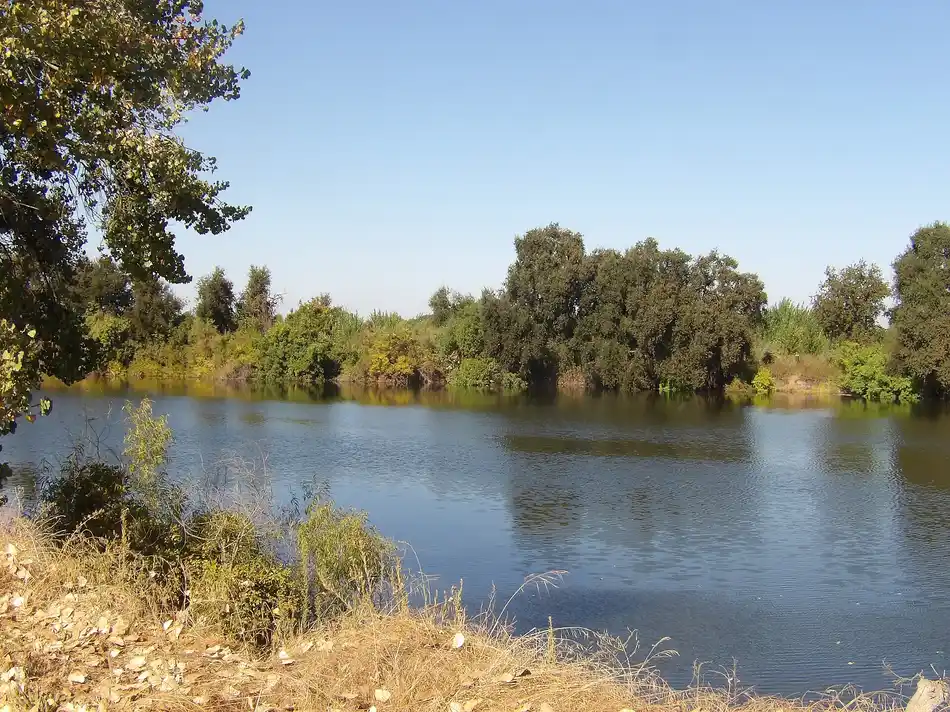
Culex mosquitoes breed bigger: canals, flood-control basins, neglected pools, ornamental ponds and standing irrigation water. The abatement districts treat the public water; the water on your property is yours to manage.

Modesto's season is long because the water never stops. Irrigation runs spring through fall, and once average daily temperatures pass the mid-70s, mosquito generations turn over in about a week.

Mosquito Control Through the Modesto Year

Spring in Modesto brings warm days after the winter rains, and the pests respond on cue: subterranean termites swarm, wasp queens start thumb-sized nests under the eaves, Argentine ants reopen their trails, and mosquito season begins as the irrigation does. It is the inspection season - the month to find problems while they are small.

Summer is peak pest season in the northern Valley. Mosquitoes breed on a roughly weekly cycle in standing water, ants pour indoors hunting moisture through every heat wave, cockroaches breed at top speed in warm kitchens, and black widows settle into every quiet garage corner. Exterior service in summer is what holds the line.

Fall belongs to the rodents. As the almond harvest shakes the orchards and strips food and cover from the fields, roof rats and field mice move into attics across Modesto - and drywood termites swarm on the hot evenings. Late summer roofline sealing, done before the push, is the difference between a quiet fall and scratching in the ceiling.

Mosquito Control in Depth

Modesto mosquito control runs on two tracks that homeowners often confuse. The districts manage the public system - canals, basins, neglected pools, agricultural water - with surveillance traps setting the treatment map. The homeowner manages the private system: the containers, drains and features within the property line where Aedes aegypti, the yard mosquito, actually breeds. Neither track substitutes for the other.

The aegypti era changed what 'mosquito problem' means in Modesto. The old dusk-biter model let people defend an evening; a day-biting, container-breeding mosquito that lives its whole life within a few hundred feet makes the yard itself the battleground. Homes that win that battleground - weekly source control, larvicide discipline, screens and fans - get their patios back in a way no fogging schedule ever delivered.

Choosing the Right Help

Mosquito providers should start with water, not spray. Ask for the source walk: which containers, drains and features on your lot are breeding, what gets larvicide and what gets dumped, and how the plan handles the standing water that cannot be removed. Ask how the yard plan coordinates with the abatement district's work on public water. A provider whose first tool is a fogger is selling evenings; a provider whose first tool is a flashlight and a dunk is selling the season.

The Climate Behind It

Modesto sits at the north end of the San Joaquin Valley, and its climate writes the pest calendar: summers that run past 100 degrees for weeks, mild winters with dense tule fog, and almost no rain from May to October. Nothing here gets a killing freeze, so pest populations build on each other year after year instead of resetting.

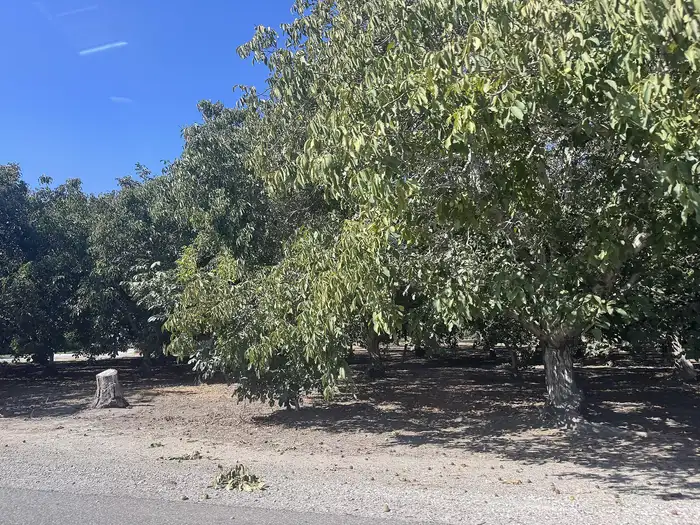
This is farm country first. Almonds, walnuts, peaches, grapes and dairy pasture surround the city on every side, and the irrigation that feeds them - Modesto and Turlock Irrigation District canals, laterals, drip lines and sprinklers - keeps water moving through neighborhoods all season. Where there is constant water, there are constant pests.

How Mosquito Control Works

Yard inspection for sources

The visit walks the property hunting breeding water: saucers, drains, fountains, pool equipment, low spots and containers.

Larvicide the water that stays

Water that cannot be dumped - ponds, fountains, drains - is treated with larvicide so mosquitoes never reach the biting stage.

Treat resting areas

Shrubs, shaded walls and covered patios where adult mosquitoes rest are treated to knock down the biters already present.

Source-removal plan

You get the fix list: what to dump weekly, what to screen, and how to handle pool or pond water so the yard stays a poor breeding site.

Doing It Yourself vs a Professional

The DIY Route

  • A fogger clears the air for an evening; the saucer breeds the next wave by morning
  • Citronella and gadgets do nothing about larvae in drains and ponds
  • Adult-only spraying misses the container breeding in your own yard
VS

The Professional Route

  • Breeding sites found and treated at the larval stage, where control lasts
  • Resting-area treatment knocks down the adults already biting
  • A source-removal plan for the whole season, not one evening

Keep It From Coming Back

Mosquito prevention is a weekly five minutes, not a project. The rhythm matters more than the effort: containers dumped on schedule breed nothing, ever.

  • Dump and scrub plant saucers, buckets and toys weekly - eggs stick to the sides.
  • Keep pool water circulating and chlorinated, or report a neglected pool to the abatement district.
  • Fix leaky faucets and irrigation that leaves standing puddles.
  • Add mosquitofish to ornamental ponds - the local district provides them within its boundaries.
  • Keep window and door screens in good repair, especially on the patio side.
Mosquito Control in the Valley Cities

The communities around Modesto share its pest calendar - with their own twists.

Mosquito Control in Salida

Salida is Modesto's northern neighbor on Highway 99, a fast-growing community whose name - Spanish for 'exit' - came from its Southern Pacific railroad stop. New subdivisions press against almond orchards, and Kaiser Permanente's hospital campus anchors its Modesto-facing edge.

Mosquito Control in Ceres

Ceres is the city immediately south of Modesto across the Tuolumne River, named for the Roman goddess of agriculture and true to it - orchards, dairies and food plants frame a compact, older downtown along Whitmore Avenue. Highway 99 ties it to Modesto as effectively one labor and housing market.

Mosquito Control in Riverbank

Riverbank brands itself the City of Action, a growing community on the Stanislaus River northeast of Modesto, known for Jacob Myers Park, its Cheese and Wine Exposition heritage and the Galaxy Theatre retail hub. New subdivisions keep pushing it toward Oakdale.

Mosquito Control in Oakdale

Oakdale is the Cowboy Capital of the World, a ranching town on the Stanislaus River at the meeting of Highways 108 and 120, famous for its rodeo, its chocolate history and Woodward Reservoir to the south. It is the service hub for the county's whole northeast.

Where Mosquito Control Is Needed Most

In north Modesto - Downtown Modesto, College Area, La Loma, McHenry Village, Village One and Sylvan District, Beyer District, East Modesto, Standiford District, North Modesto - the housing runs from historic districts to brand-new subdivisions, and mosquito control follows the construction: older wood, mature trees and river-corridor greenery in the established neighborhoods, field-edge pressure in the new ones.

Central and south Modesto - Orangeburg Corridor, Briggsmore Corridor, West Modesto, Airport District, Tuolumne Riverfront, South Modesto and Shackelford, Bret Harte, Paradise Corridor, Kansas Avenue District, Carpenter Corridor, Johansen District - hold the city's older housing stock, its apartment corridors and its industrial-ag edges, which together make this the steadiest mosquito control territory in the city.

Beyond the city line, the same work runs in Salida, Ceres, Riverbank, Oakdale, Turlock, Empire, Waterford, Hughson, Patterson, Del Rio - Valley communities wrapped in orchards and vineyards, where the farm calendar drives pest pressure as much as the weather does. Every one of these area pages carries the local detail for mosquito control in that community.

Coverage, In Full

Mosquito Control runs across the whole service map: the north Modesto neighborhoods of Village One, the Sylvan District, McHenry Village and North Modesto; the central districts of La Loma, the College Area, the Orangeburg and Briggsmore corridors and Downtown Modesto; West Modesto, Standiford, the Airport District and the Tuolumne Riverfront; South Modesto, Shackelford and Bret Harte; and the Stanislaus County communities of Salida, Ceres, Riverbank, Oakdale, Turlock, Empire, Waterford, Hughson, Patterson and Del Rio. One call covers all of it - the local pages above carry the detail for each. If your street is not named here, call anyway: routes grow with demand, and most Modesto addresses are already within reach of a scheduled run.

From the Modesto Pest Guides

Mosquito Control Questions

Who handles public mosquito control in Modesto?

Two districts split the work: the East Side Mosquito Abatement District serves the Modesto side of the county, and the Turlock Mosquito Abatement District serves the Turlock side. They treat public water and respond to neglected pool reports; your own yard's containers are the homeowner's part.

Do mosquitoes in Modesto carry disease?

Yes. Culex mosquitoes in Stanislaus County transmit West Nile virus and St. Louis encephalitis each year once temperatures climb. Aedes aegypti can transmit other viruses elsewhere in its range, which is why districts work to suppress it.

Why do I still get bitten after the district truck sprays?

District spraying targets public breeding areas and adult populations at a wide scale. The Aedes breeding in a saucer on your own patio is outside that net - that is the gap yard-level service fills.

When is mosquito season in Modesto?

Roughly April through October, peaking in the hottest months. Breeding accelerates once average daily temperatures reach the mid-70s and irrigation is running.

Why are mosquitoes so bad in Modesto this year?

Heat plus water. Modesto's irrigation season keeps breeding water everywhere, and warm temperatures speed mosquito breeding to about a week per generation. If a neighbor has a neglected pool, the whole block feels it.

What is the daytime-biting mosquito in Modesto?

Almost certainly Aedes aegypti, the invasive yellow fever mosquito now established in Modesto. It breeds in tiny containers around homes, bites ankles during the day, and is the reason the abatement district runs dedicated traps for it.

Can mosquito control in Modesto cover the whole season?

A season program combines larvicide for standing water, resting-area treatments and your own weekly source removal. No service can seal a yard completely, but treated yards are dramatically quieter than untreated ones.

Is mosquito treatment in Modesto safe around pools, pets and gardens?

Treatments are applied to breeding water and resting vegetation, not to pool water or edible plants, and your technician will walk through any precautions for your specific yard before starting.

Please note: Modesto Pest Pros is an independent directory and referral service, not a pest control contractor. The professionals reachable through this site are independent businesses; any agreement for work is between you and the professional you engage. Service information on this site is general educational material - the scope of any real pest control work is set by an on-site inspection.

Ants in the Kitchen, Scratches in the Attic or Bites in the Night?

One call connects you with a pest control professional serving Modesto and the surrounding Valley communities - inspection, treatment, exclusion and prevention.

📞 Call Now
📞 Call Now